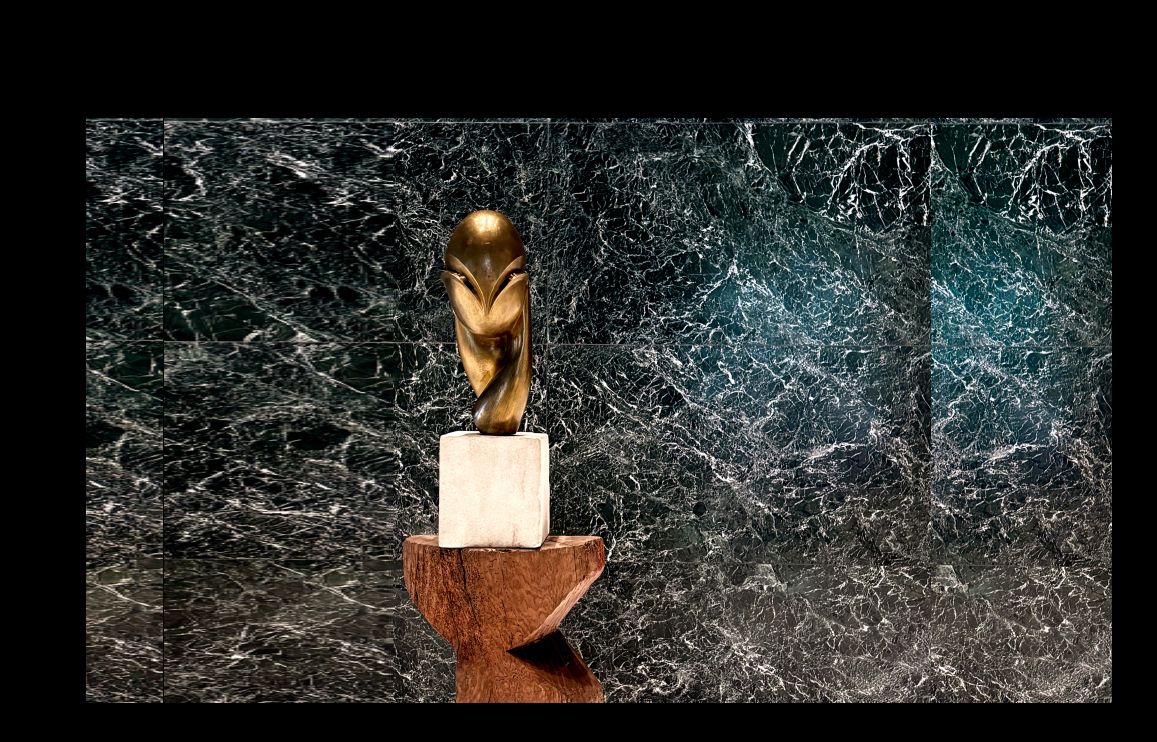
Constantin Brâncuși, the wizard sculptor of modernism, is back in Germany after a 50-year break. Organized in collaboration with Centre Pompidou Paris, this rare exhibition dedicated to the Romanian artist has just opened at Neue Nationalgalerie Berlin, running until August 9.
2026 marks 150 years since Brâncuși was born — 19 February 1876 — in Hobița, România. He later moved to Paris, becoming the prolific artist we know today.
This is only a modest introduction to an overwhelming legacy. Brâncuși stands as one of the influencers behind what we now call modern art — and modernism. You could see it even outside the museum: long lines of people, surrounded Neue Nationalgalerie on March 19, for the exhibition’s vernissage.
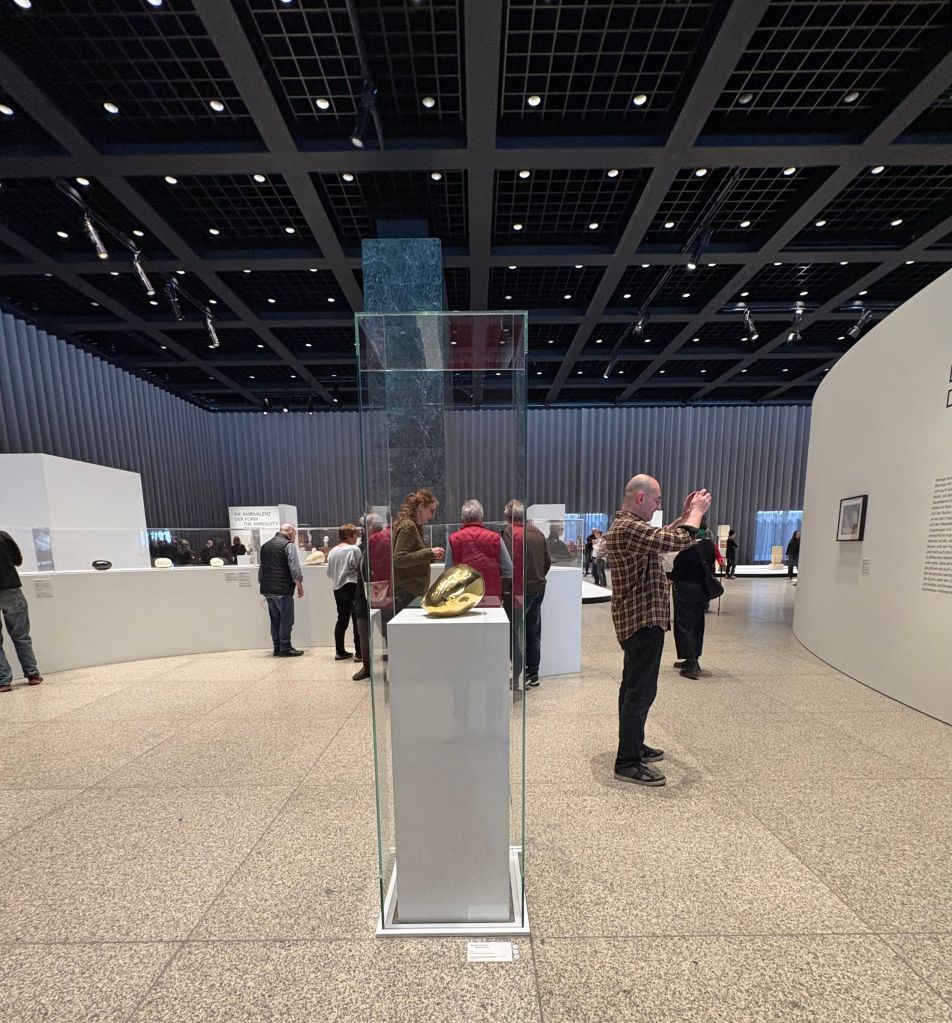
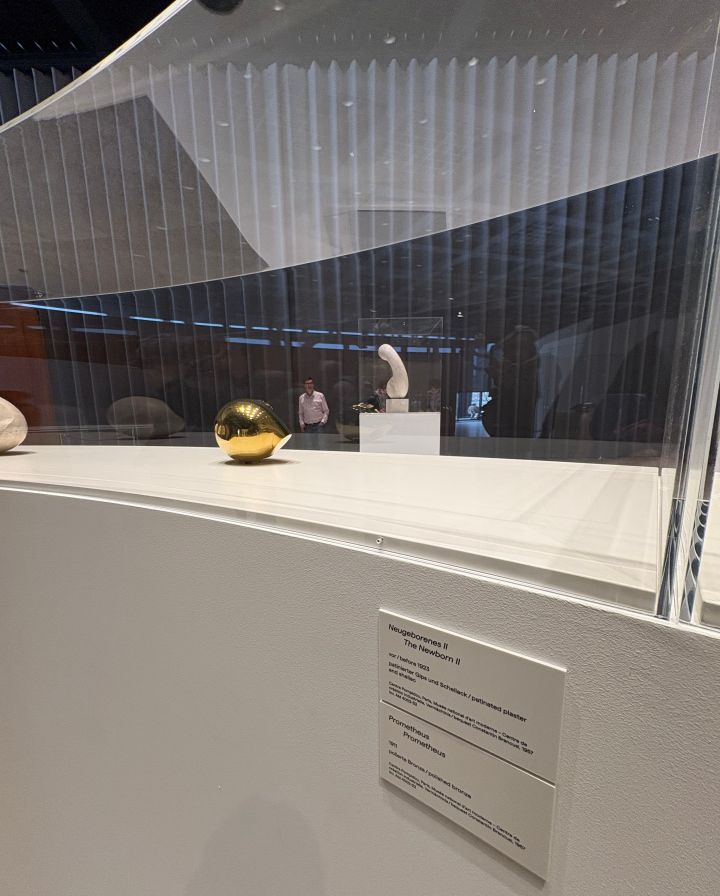
Inside, more than 150 works unfold: a partial reconstruction of Brâncuși’s studio, sculptures, self-portraits, photographs, and rare video documents. Together, they form one of the most complete exhibitions of his work to date.
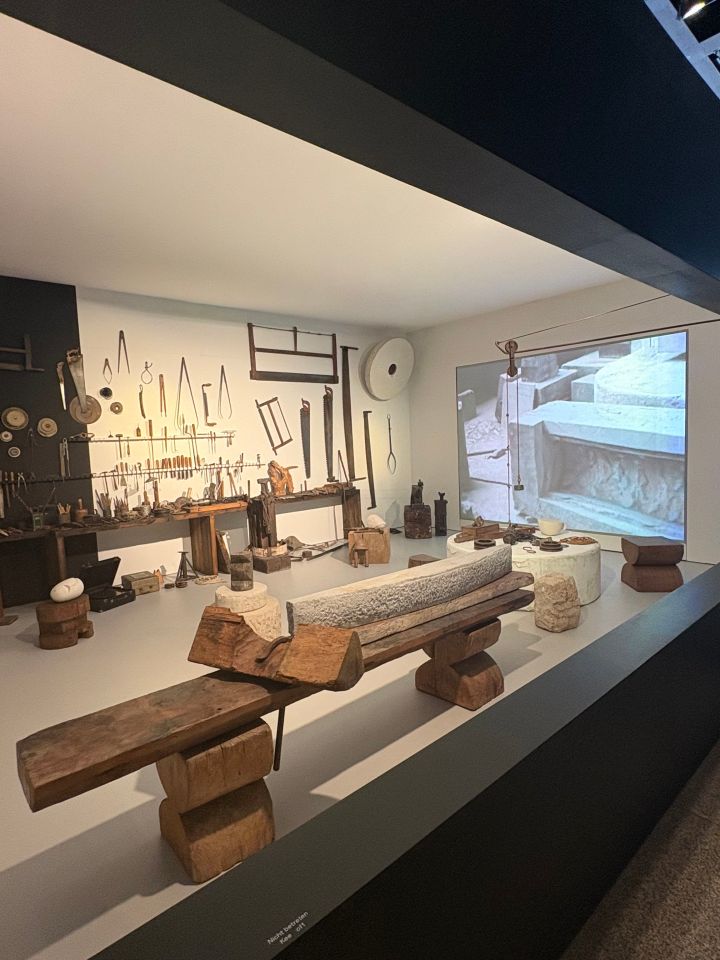
I visited just after the opening, carrying a mix of overwhelming emotions — even before stepping into the Neue Nationalgalerie. Partly because, although Brâncuși spent most of his life in Paris, we share the same Romanian heritage.
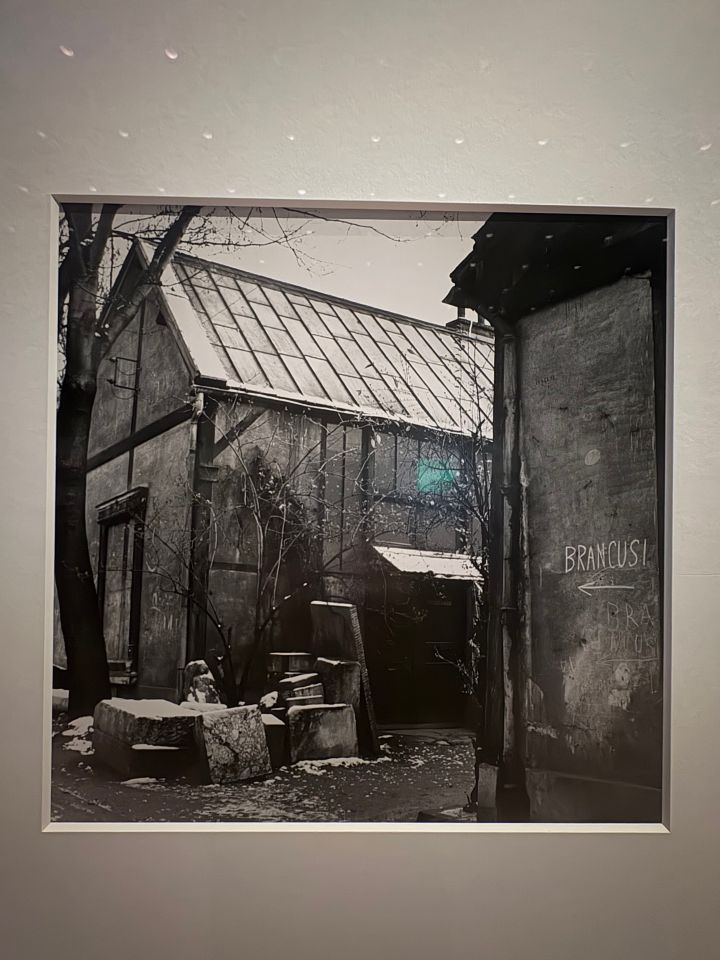
Admiring his impressive work, a sudden sense of familiarity flooded my senses. It became even more clear why Brâncuși is considered a pioneer (even the father) of modernism.
Seeing his art live for the first time also made me better understand why I’ve always been drawn to Bauhaus. It feels like a brother — both part of the same avant-garde movement of the 20th century.
Wood, precisely carved into near-perfect geometrical forms. Bronze, endlessly polished, transformed into glowing forms of art. Symbolism everywhere. Clean lines. Smooth surfaces.
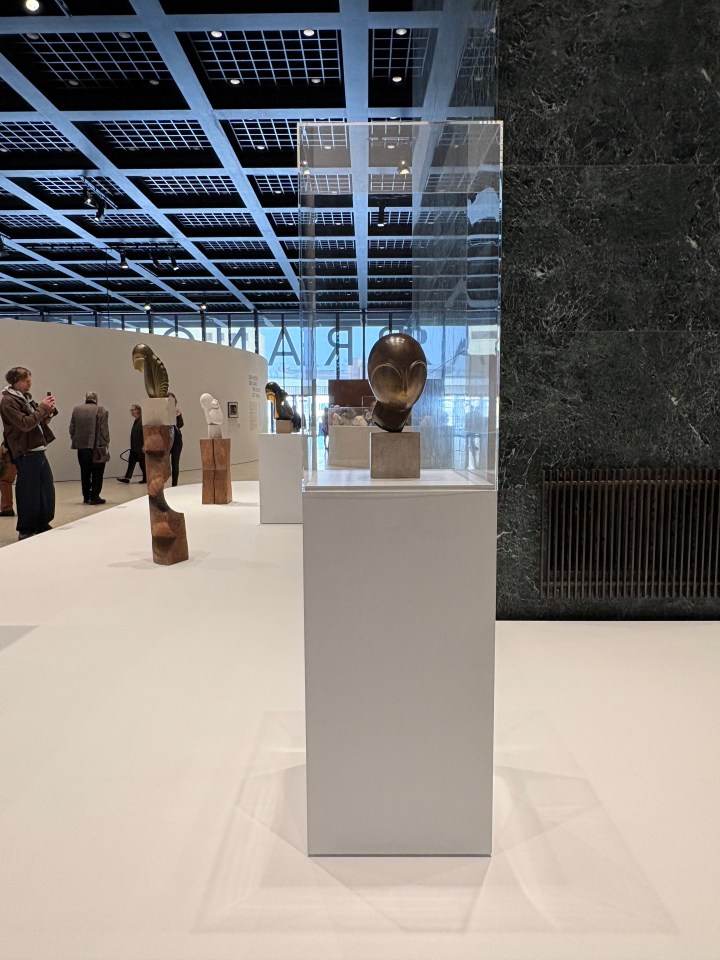
A quiet balance between a gently hidden purity, metaphysics, and spirituality. Everything reduced — yet everything felt. You don’t need more than a few shapes to realize what Brâncuși was expressing.
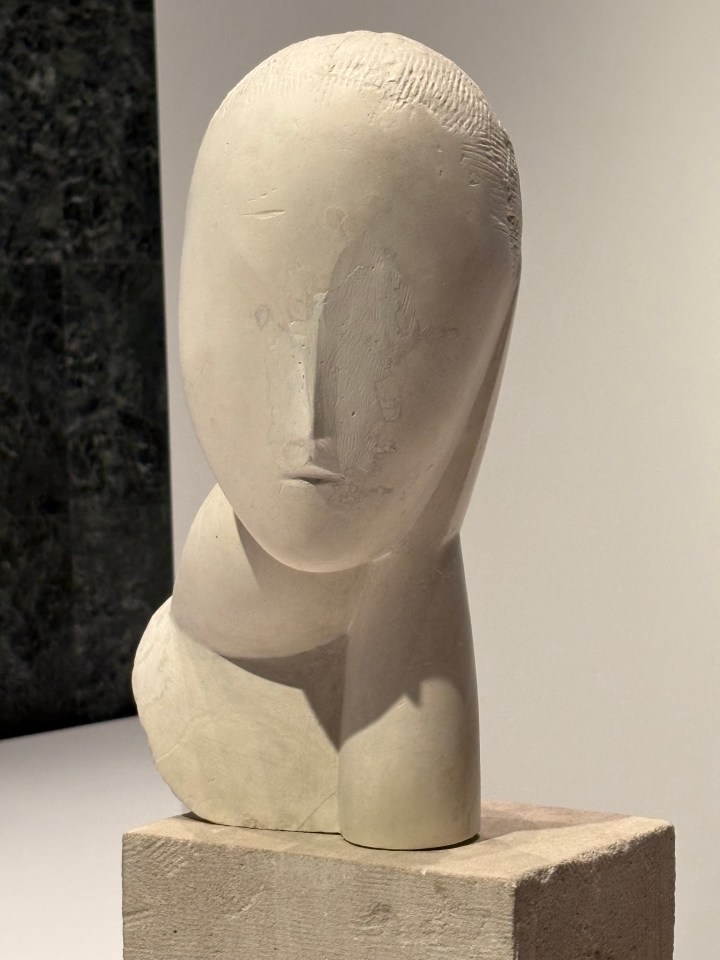
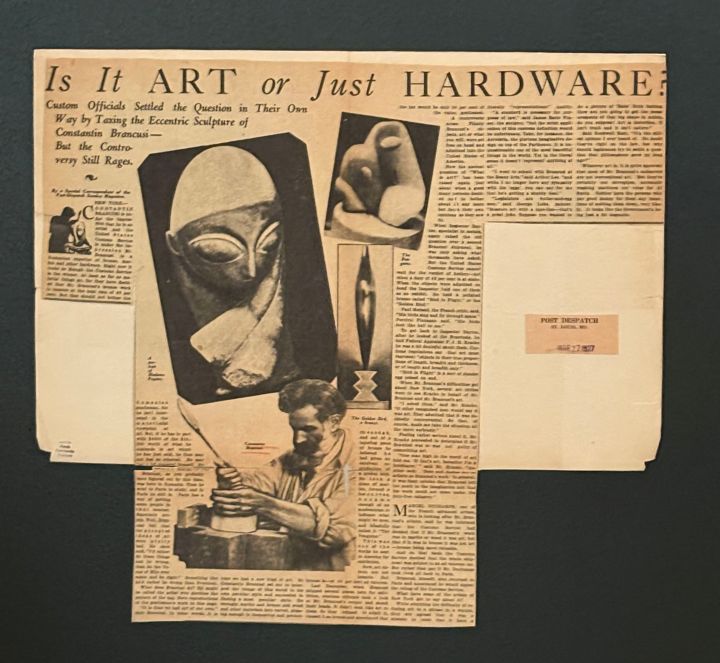
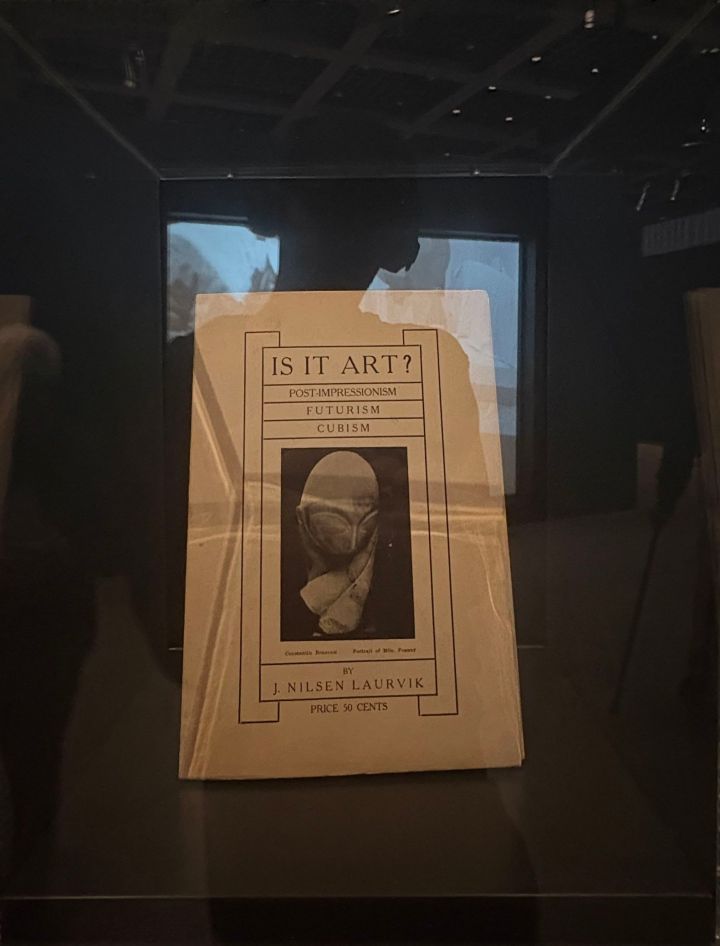
As often happens with geniuses, Brâncuși was far from being understood by art critics of the time. The East couldn’t keep him; the West often misread him. In the United States, his work even triggered debates about whether it could be considered art at all.
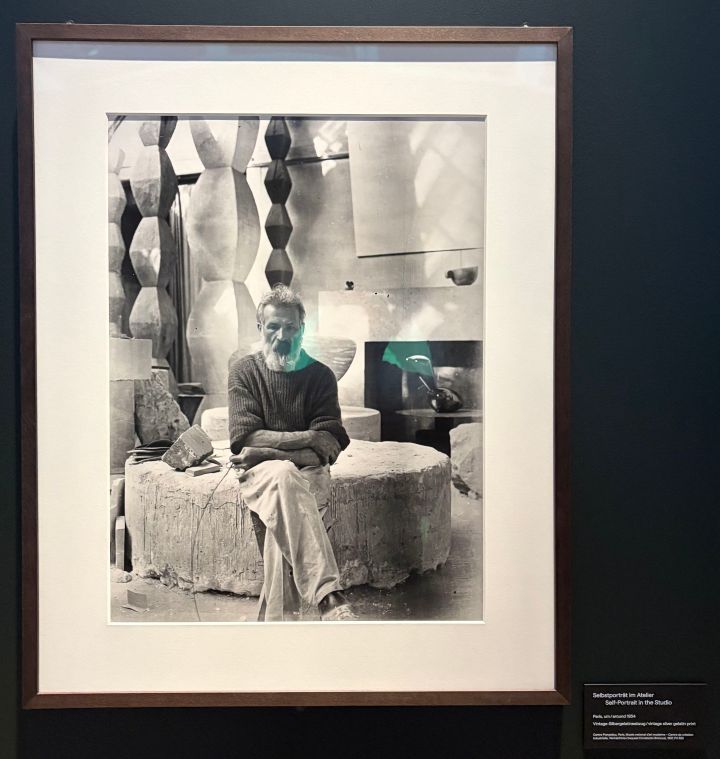
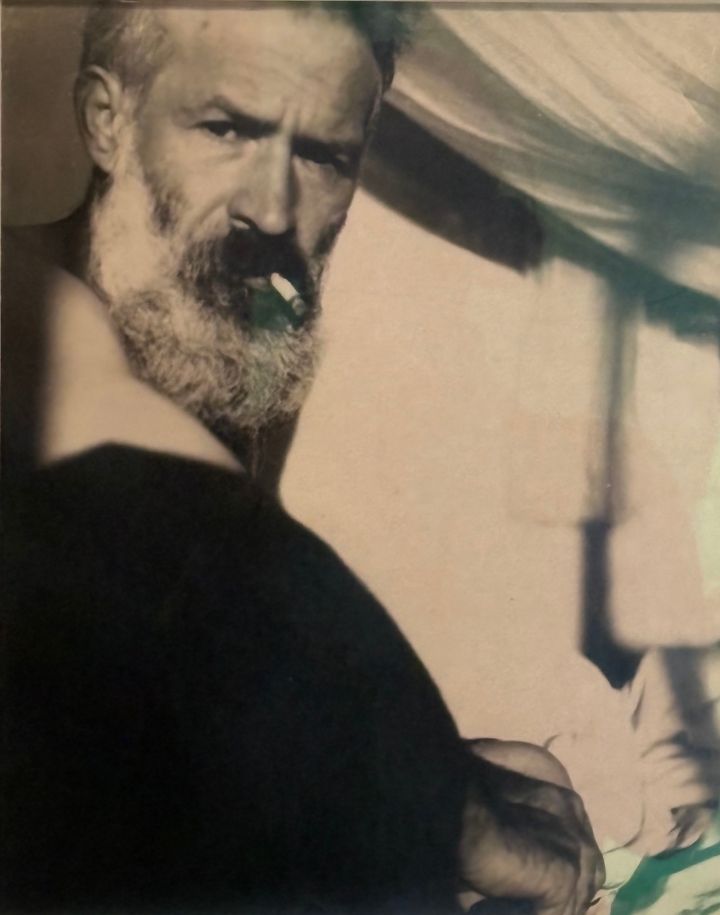
Walking through the exhibition — seeing photos and films of Brâncuși smashing then carving stone in his Paris atelier, his eyes, determined expression – really left a mark on me.
Among my favorites is “Bird in Space” – a three decades-long exploration of birds in flight, shaped in bronze, marble, and plaster. There’s plenty of abstract symbolism, spirituality, simply presenting humanity in a raw, artsy form.
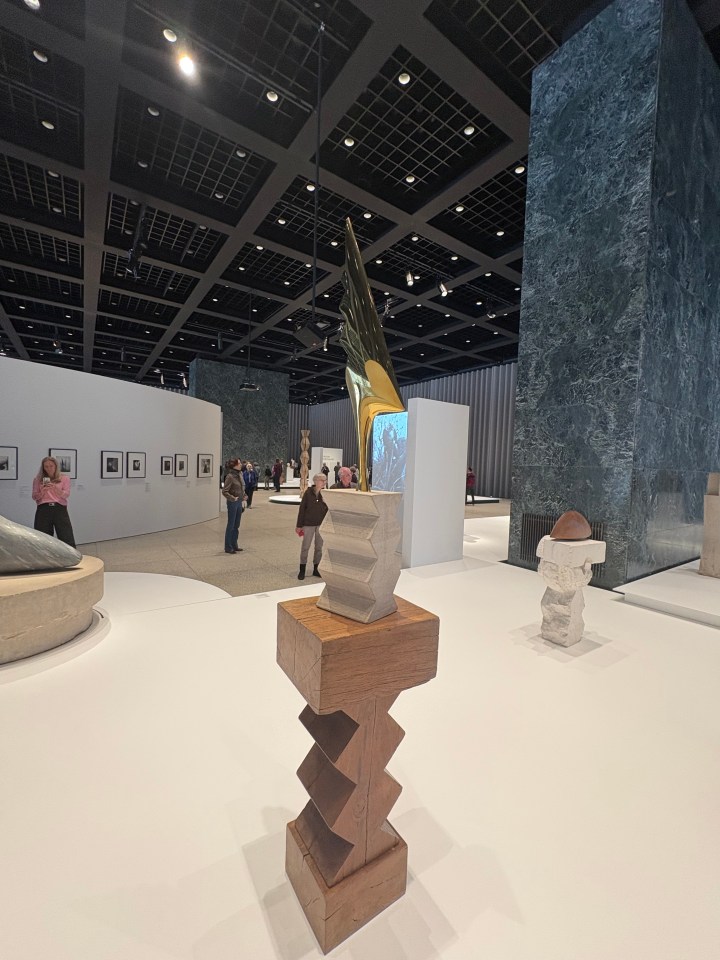
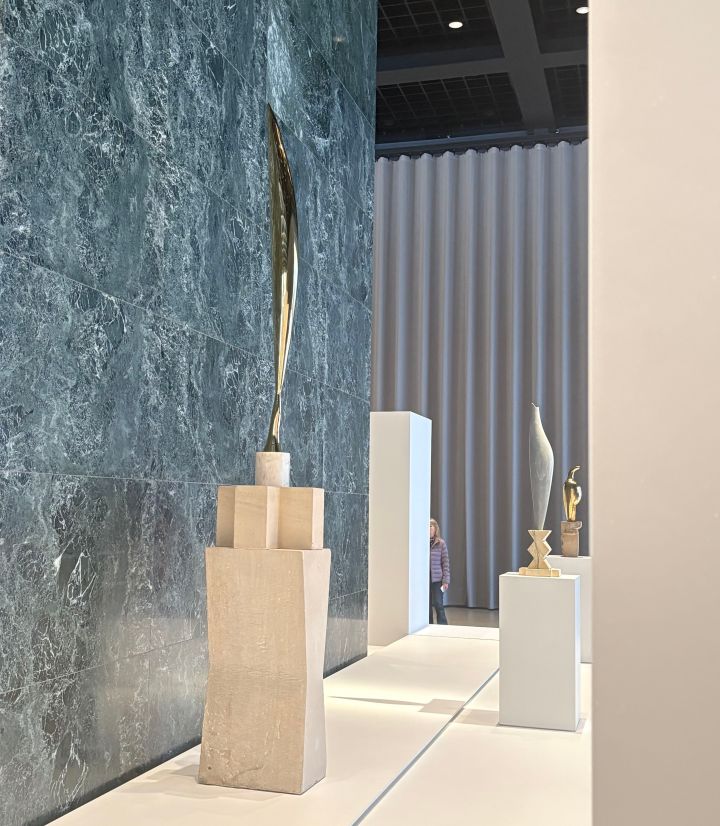
Then, I was impressed by Endless Column (Coloana Infinitului) and The Kiss — simple in form, yet profound in meaning: humanity reaching for the stars, always searching, endlessly aiming for love and perfection.
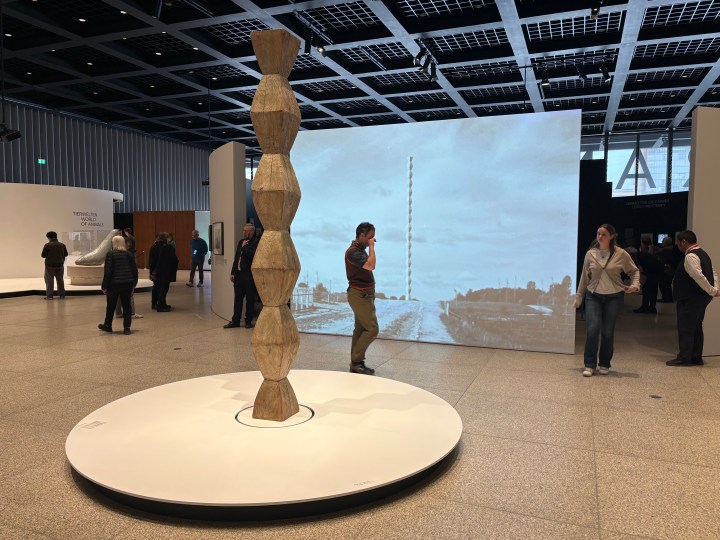
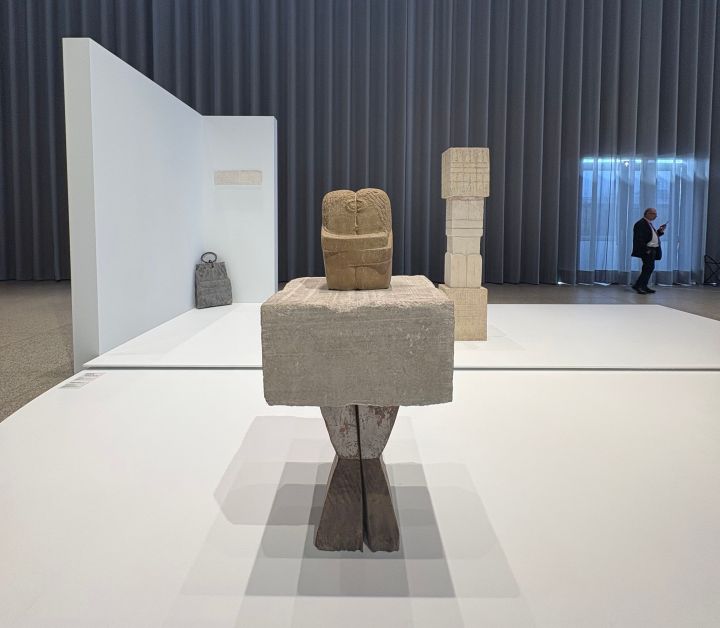
I left the Neue Nationalgalerie Berlin feeling both grateful and overwhelmed. This is an exhibition I can only highly recommend — and one that stands as a real collaborative effort between Germany, România, and France.
Will definitely return before August 9. Brâncuși has a way of reshaping the mind — quietly, but deeply.

 unklar